Ben Fullerton
I'm an interaction designer who has spent my career so far working across the realms of digital and physical products, services and brands.
Currently, I'm part of the leadership team within Nike Digital design, a team of around 40 cross-disciplinary designers.
Prior to this, I've worked within a team that expanded what we expect from the web at one of the first big agencies in the UK, helped to articulate what service design is as an early employee at the very first design firm to focus on it, explored mobile technology at the London design studio of Samsung, introduced design to an engineering led culture at Twitter, worked on & led projects solving a diverse set of problems for all sorts of clients at IDEO, led the interaction design team at Method, helped define new types of connected devices -- and the identity of the company that creates them -- at a startup, and helped to nurture an integrated hardware & software design culture at Sonos.
My work has been recognised by the British Academy of Film & Television Arts, the Spark Awards, the Webbys, the Pixel Awards & the Interaction Design Association's Awards.
I've taught and been a thesis advisor for the inaugural class of the MFA Interaction Design program at the School of Visual Arts in New York, and for the past three years have served as part of the founding faculty of the BFA Interaction Design program at the California College of Art, teaching students a module on foundational interaction design.
Things I've written have been published by Fast Company, Core77 and the ACM's "Interactions" magazine. I've spoken & given workshops at Design Engaged, South by Southwest, Wisdom 2.0, True University & UX Week, among others.
In 2015, I served as the chair of the Interaction Design Association's annual Interaction conference in San Francisco.
CURRENTLY
ALSO
Chair
IxDA Interaction15 conference
Lecturer (2010 - 2013)
BFA Interaction Design program
California College of the Arts
Conference committee
IxDA Interaction10, 11, 12 & 13 conferences
Lecturer & thesis advisor (2010)
MFA Interaction Design program
School of Visual Arts
OTHER
US Patent 9,330,096 (2016) Playback Expansion (1)
US Patent 9,329,831 (2016) Playback Expansion (2)
Big Giant Thinkers podcast (interview) (2016) Big Giant Thinkers
"Brand as Context in Interaction Design" (2012)
Fast Company
"Design for Context" (2012)
South by Southwest
"Designing for Solitude" (2011)
Wisdom 2.0
"Designing for Solitude" (2010)
ACM Interactions Magazine
"Design for the Dark Side" (2010)
South by Southwest
"Designing for Solitude" (2010)
Interaction10
"Co-Creation in Service Design" (2009)
ACM Interactions Magazine
A FEW THINGS I'VE WORKED ON (THAT LAUNCHED)
* This is a selection of my projects that have made it out into the world (there's more that I can't show here, and more detail which I'm happy to share on request.)
 SONOS Trueplay
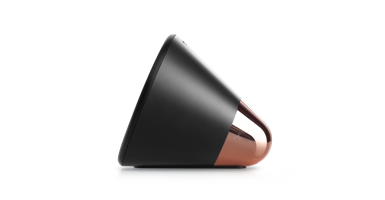 Aether Cone
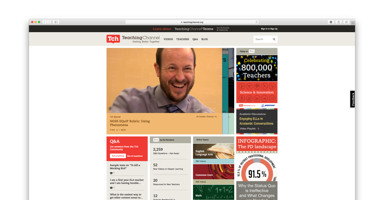 Teaching Channel 1.0 & 2.0
 First Republic Bank Service Experience
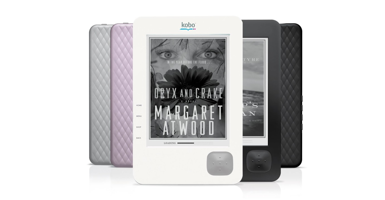 Kobo Reader
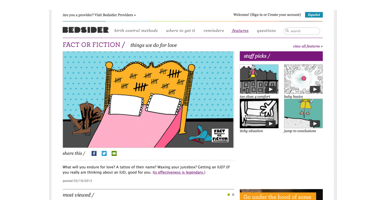 Bedsider
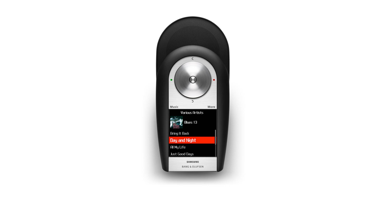 Samsung Serenata
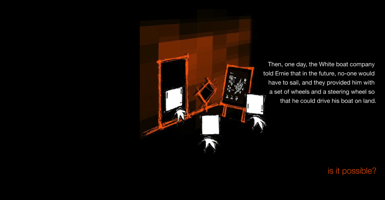 Orange Digital Brand Guidelines
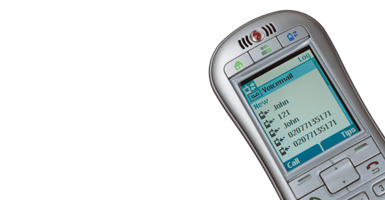 Vodafone Simply
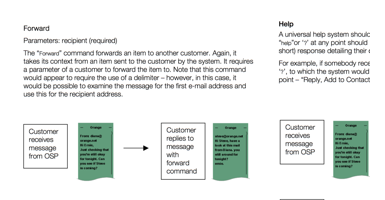 Orange SMS CLI
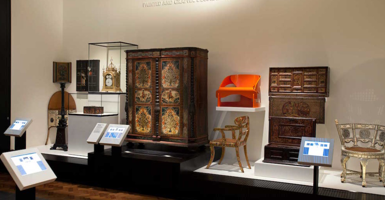 Victoria & Albert Museum Interactives
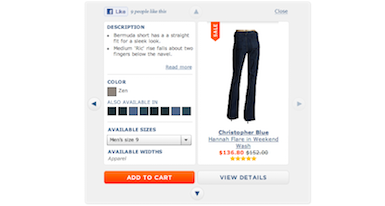 Zappos.com Shopping Enhancements